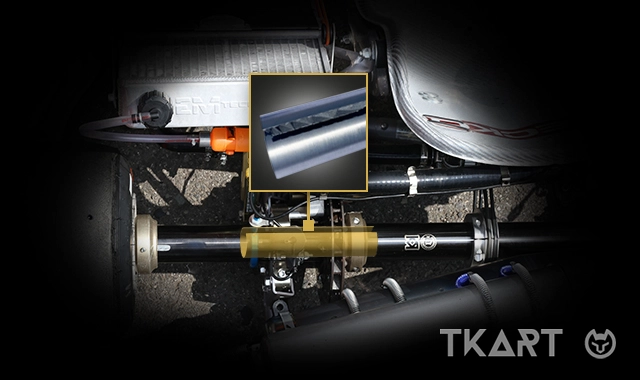
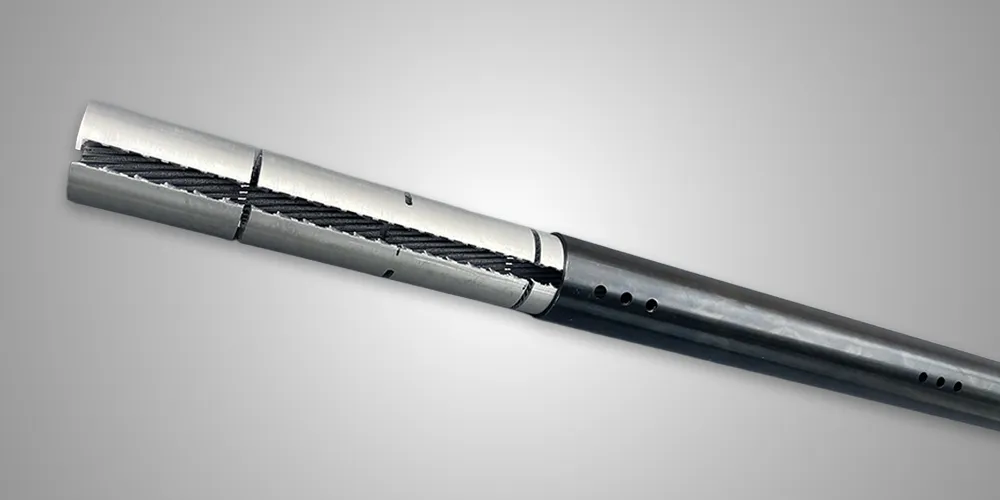
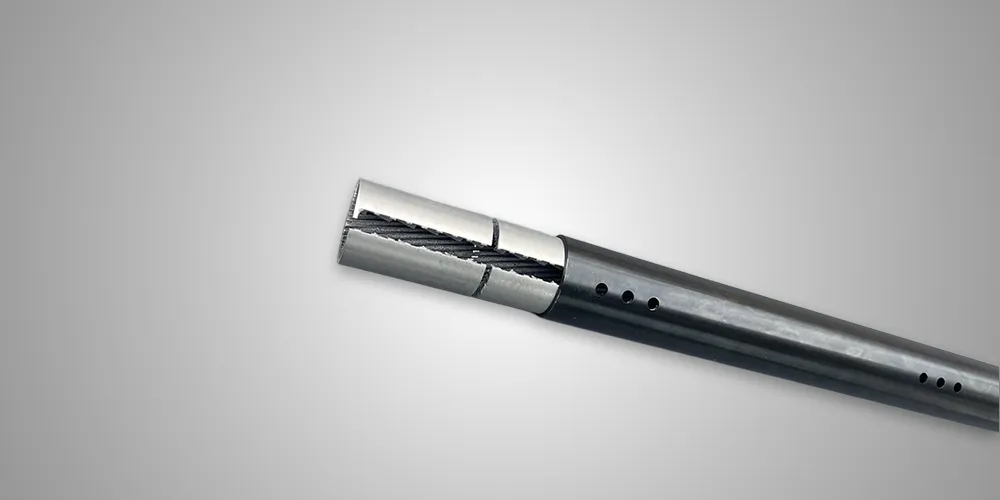
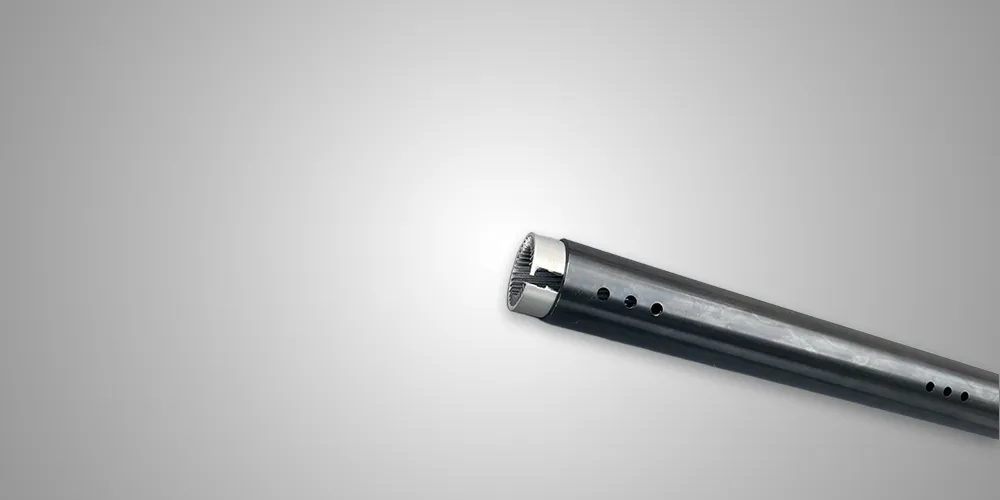
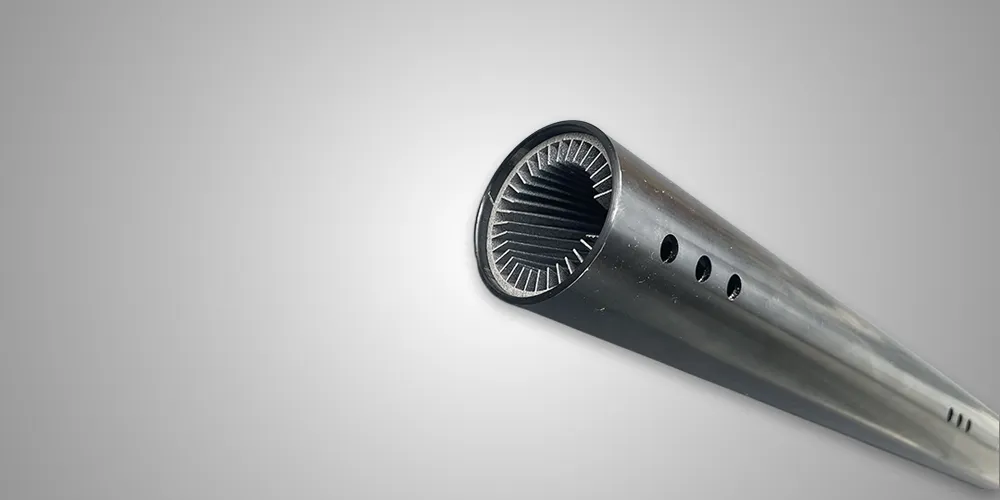
During the summer months, managing kart temperatures becomes one of the most critical challenges for ensuring consistent performance and safety on the track. The rear end of a kart is the area most prone to overheating, due to the presence of components that generate or retain heat—such as the engine, exhaust, radiator, and so on—and limited ventilation, hindered by the seat and driver. The rear braking system is among the most exposed elements in this regard: calipers, discs, and pads operate at high temperatures and, without effective heat dissipation, risk losing efficiency, premature wear, or even failure. To address this critical issue, the newly formed Swiss company LG RACETEC, founded in 2024 by Patrik Gubser, has developed a new device called the LG Cooler 6.01, designed to contain the temperature of the rear brake assembly by exploiting the airflow generated by the rotation of the axle. The device, which is installed inside the axle itself, is the result of a lengthy development process conducted in collaboration with technicians working for an F1 team. To demonstrate its effectiveness, LG RACETEC invited us to an exclusive test day at the Franciacorta Karting Track in Castrezzato (BS), about 80 km from Milan. The test was organized in collaboration with KR Motorsport, the racing division of the manufacturer Kart Republic, of which LG RACETEC is a technical partner. During this opportunity, we were able to closely analyze the device's features (still in a prototype version, but quite similar to the product that will be commercialized, which we present in the following slides), verify its installation methods on the kart, and obtain performance data collected directly on the track, comparing the vehicle's behavior with and without the device installed.
Editor's Note
As mentioned, during the track test day, we had the opportunity to analyze the performance of a prototype of the LG Cooler 6.01. The final product—at the time of this article's initial publication—is not yet available on the market, and its release is scheduled for the second half of August 2025. However, Swiss manufacturer LG RACETEC has provided us with exclusive detailed information, images, and renderings of the final model. All this information will be presented throughout this article to provide a complete overview of the design evolution and features of the production-ready cooler.


 Tech Focus
|
Exclusive! LG Cooler 6.01, the device that promises a 20% reduction in brake disc temperature!
Tech Focus
|
Exclusive! LG Cooler 6.01, the device that promises a 20% reduction in brake disc temperature!
 Log in on TKART